Why Ultherapy Could Be Clinically Needed: Checking Out the Factors for a Non Surgical Lift
Ultherapy is getting focus as a sensible alternative for individuals encountering skin laxity as a result of maturing or certain medical problems. This non-surgical treatment stimulates collagen manufacturing, offering an option that avoids the healing time connected with invasive treatments. As people seek to boost not just their look however also their overall skin health and wellness, understanding the scenarios that require Ultherapy's usage comes to be crucial. What aspects add to its medical requirement?
Understanding Ultherapy: What It Is and How It Works
Ultherapy, a non-invasive cosmetic treatment, uses ultrasound innovation to stimulate collagen manufacturing and promote skin tightening. By supplying concentrated ultrasound energy deep right into the skin, it targets the fundamental layers usually resolved in surgical facelifts. This procedure urges the body's natural healing reaction, resulting in gradual lifting and tightening up of the skin with time.
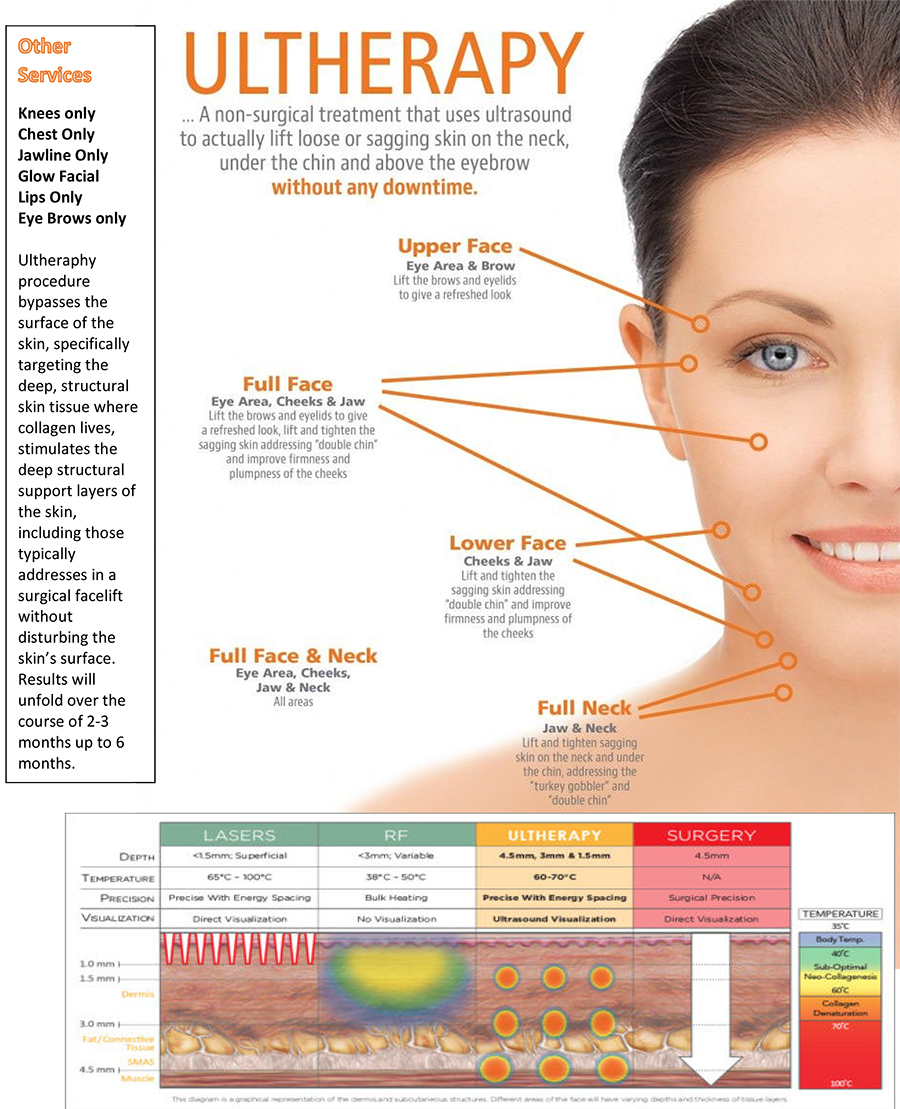
Treatment sessions normally last between 30 to 90 minutes, depending on the dimension of the area being dealt with. While results might not be promptly visible, ideal impacts typically show up within 2 to 3 months as collagen remains to develop. Ultherapy offers an engaging non-surgical option for people seeking skin restoration without the need for intrusive procedures.
The Aging Refine: Effects on Skin Elasticity and Collagen
Aging certainly brings changes that decrease skin flexibility and collagen manufacturing, resulting in noticeable indicators of sagging and wrinkles. As individuals age, the skin's capacity to retain moisture reductions, causing a drier and much less resilient surface. Collagen, a necessary healthy protein in charge of skin framework, also decreases, triggering the skin to shed its suppleness and vibrant look. Factors such as sun exposure, toxic wastes, and way of life options better increase this decrease in skin top quality.
This loss of flexibility and collagen develops a waterfall of adjustments, consisting of the development of dewlaps, strengthening nasolabial folds up, and a general drooping appearance. The skin's support group damages, making it more susceptible to the effects of gravity. Lots of individuals seek interventions like Ultherapy to battle these aging results, intending to recover a more younger, tight look without the need for invasive medical treatments.
Medical Conditions That May Benefit From Ultherapy
Ultherapy is significantly identified for its possible advantages in addressing numerous medical problems. People experiencing skin laxity, those in post-surgical recovery, and patients with persistent skin conditions might locate this non-invasive therapy beneficial. By boosting collagen production, Ultherapy can boost skin firmness and enhance overall look for these groups.
Skin Laxity Issues
Skin laxity can be a substantial problem for people experiencing various clinical problems that influence the honesty and flexibility of their skin. Conditions such as Ehlers-Danlos disorder, which interrupts collagen manufacturing, can cause premature skin aging and sagging. Furthermore, people with autoimmune disorders might experience skin modifications that add to laxity. Hormonal variations, particularly throughout menopause, additionally play a duty in reducing skin firmness. Ultherapy, using ultrasound modern technology, targets the much deeper layers of skin, promoting collagen manufacturing and tightening up the influenced areas. This non-invasive therapy might provide a practical option for those looking for to address skin laxity arising from these clinical conditions, improving both look and self-confidence without the need for medical intervention.
Post-Surgical Recuperation Help
Post-surgical recuperation can often present obstacles, particularly for individuals experiencing skin laxity as a result of medical interventions. Ultherapy offers as a prospective help in this circumstance, using ultrasound modern technology to boost collagen production and improve skin tightness without invasive treatments. People that have actually gone through surgical procedures such as renovations, lipo, or other body contouring treatments may locate that Ultherapy boosts their recuperation by attending to irregular appearance and laxity that can occur post-operation. This non-surgical approach can bring about improved aesthetic outcomes, possibly lowering the demand for extra surgical interventions. It might aid reduce discomfort associated with the healing procedure, offering individuals a much more all-encompassing healing experience. Consequently, Ultherapy can be an important choice in post-surgical treatment.
Chronic Skin Disease
For individuals struggling with chronic skin problems such as acne scars, rosacea, or laxity because of aging, non-invasive therapies might provide significant alleviation and enhancement. Ultherapy has emerged as an encouraging option, making use of ultrasound innovation to boost collagen production deep within the skin. This process can improve skin structure and flexibility, addressing problems like uneven skin tone and drooping. In specific, those with rosacea might experience decreased soreness and inflammation, while patients with acne scars can take advantage of improved skin level of smoothness and overall appearance. Notably, Ultherapy offers a non-surgical option that minimizes healing time and threats associated with invasive treatments, making it an appealing option for people looking for effective administration of persistent skin problem.
Mental Effect of Sagging Skin and Visual Concerns
The emotional toll of aging commonly shows up in the form of sagging skin, which can substantially affect an individual's self-confidence and general psychological well-being. Several individuals associate younger appearances with energy and beauty, causing sensations of insufficiency when confronted with visible indications of aging. This perceived decline in elegance can result in social stress and anxiety, withdrawal from social communications, and an enhanced obsession with one's look.
People might really feel compelled to look for aesthetic therapies to combat these issues, as the need to maintain a youthful appearance can become intertwined with individuality. The emotional impacts of drooping skin may also cause clinical depression or a diminished lifestyle. As a result, non-surgical choices like Ultherapy emerge as potential options, intending not just to revitalize the skin however likewise to recover self-confidence and a favorable self-image, eventually dealing with the deeper emotional ramifications of aging.
Comparing Ultherapy to Traditional Surgical Options
When contrasting Ultherapy to conventional surgical alternatives, considerable differences arise in both cost-effectiveness and healing time. Ultherapy deals a non-invasive strategy that usually causes reduced expenses and marginal downtime for individuals. On the other hand, surgical lifts typically call for more economic investment and a prolonged recuperation duration.
Cost-Effectiveness of Ultherapy

Although typical medical lifts often come with substantial in advance expenses and extended healing times, Ultherapy offers a compelling choice that can supply equivalent outcomes at a portion of the rate. The typical cost of a surgical renovation can range from $7,000 to $15,000, while Ultherapy therapies usually fall in between $2,000 and $4,500, depending on the location dealt with and service provider experience. Furthermore, the absence of considerable pre-operative assessments and post-operative treatment associated with Ultherapy better contributes to its cost-effectiveness. This method not just reduces economic pressure but likewise allows individuals to spend in various other facets of their wellness and well-being. This way, Ultherapy arises as a monetarily feasible option for those seeking face rejuvenation without the problems of conventional surgical treatment.
Recuperation Time Comparison
Recuperation time is a significant aspect in the decision-making process for those considering cosmetic procedures. Ultherapy attracts attention as a non-surgical option that usually requires minimal downtime. A lot of patients can go back to their daily tasks practically right away, experiencing only moderate redness or swelling that normally solves within a couple of hours. In contrast, traditional medical options, such as facelifts, frequently require a lengthy healing duration. Individuals may encounter a number of weeks of swelling, bruising, and restricted activity, with some going back to regular routines taking up to three months. This plain distinction in healing time makes Ultherapy an attractive selection for individuals seeking efficient outcomes without the considerable aftercare connected with surgical treatment, permitting a smoother change back to daily life.
The Long-Term Perks of Non-Invasive Treatments for Skin Wellness
As individuals increasingly seek choices to RJ Clinic Ultherapy procedures, the long-lasting benefits of non-invasive therapies for skin health and wellness come to be a lot more apparent. Therapies such as Ultherapy, have a peek at these guys chemical peels, and laser therapy offer significant benefits without the requirement for comprehensive recovery times associated with surgical treatment. Skin tightening treatment KL. With time, these non-invasive options can advertise collagen production, causing firmer skin and a more younger appearance
Additionally, regular non-invasive therapies can boost skin texture, tone, and flexibility, enhancing general skin health and wellness. Individuals frequently experience less difficulties and adverse effects, making these procedures a lot more appealing.
Furthermore, the advancing results of constant therapies can maintain and lengthen aesthetic enhancements, enabling individuals to keep their desired look with marginal downtime. By prioritizing non-invasive techniques, individuals can achieve enduring results while prioritizing their health and health. Ultimately, the long-term benefits of such techniques underscore their growing appeal in modern-day skincare.
Often Asked Inquiries
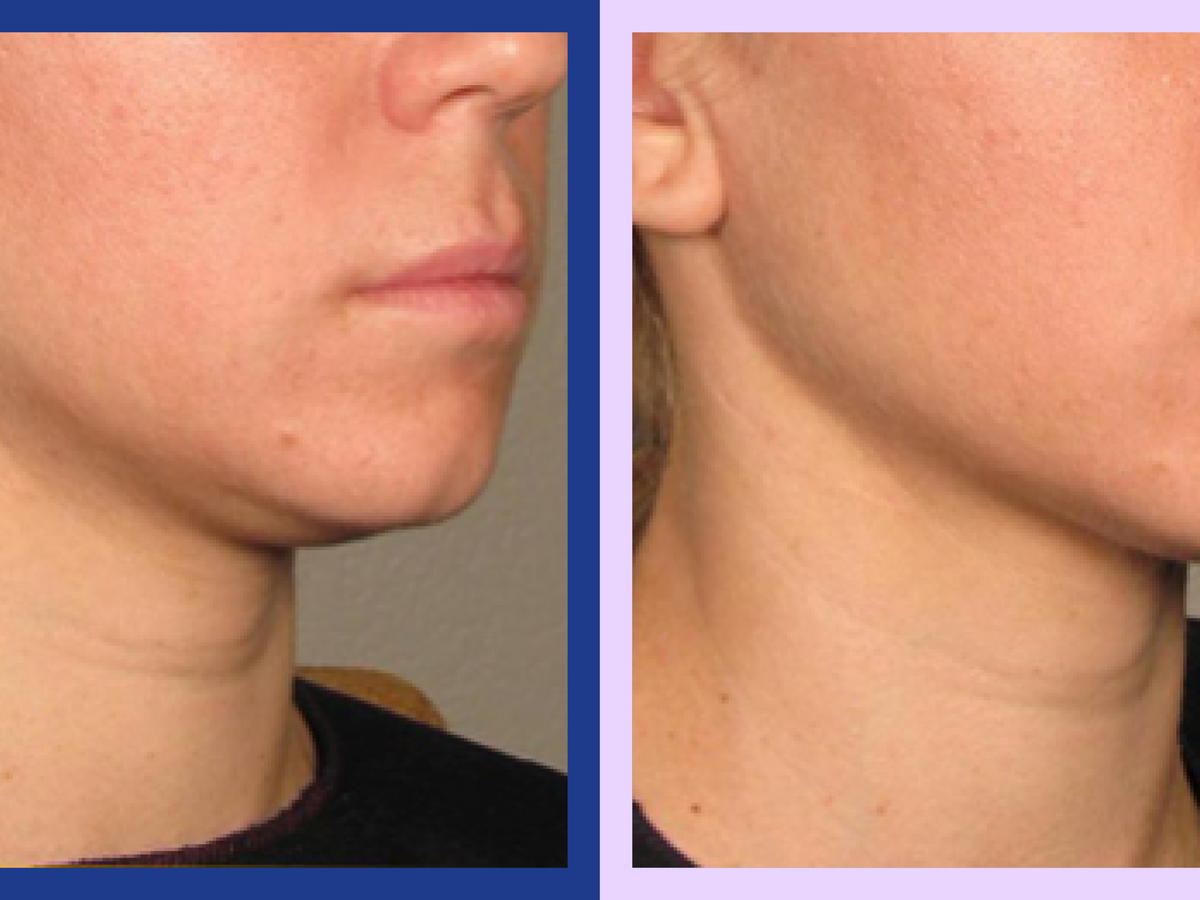
How much time Does an Ultherapy Session Usually Take?
An Ultherapy session typically lasts in between 30 to 90 mins, relying on the therapy area. Factors such as the person's certain requirements and the degree of the procedure can influence the total duration.
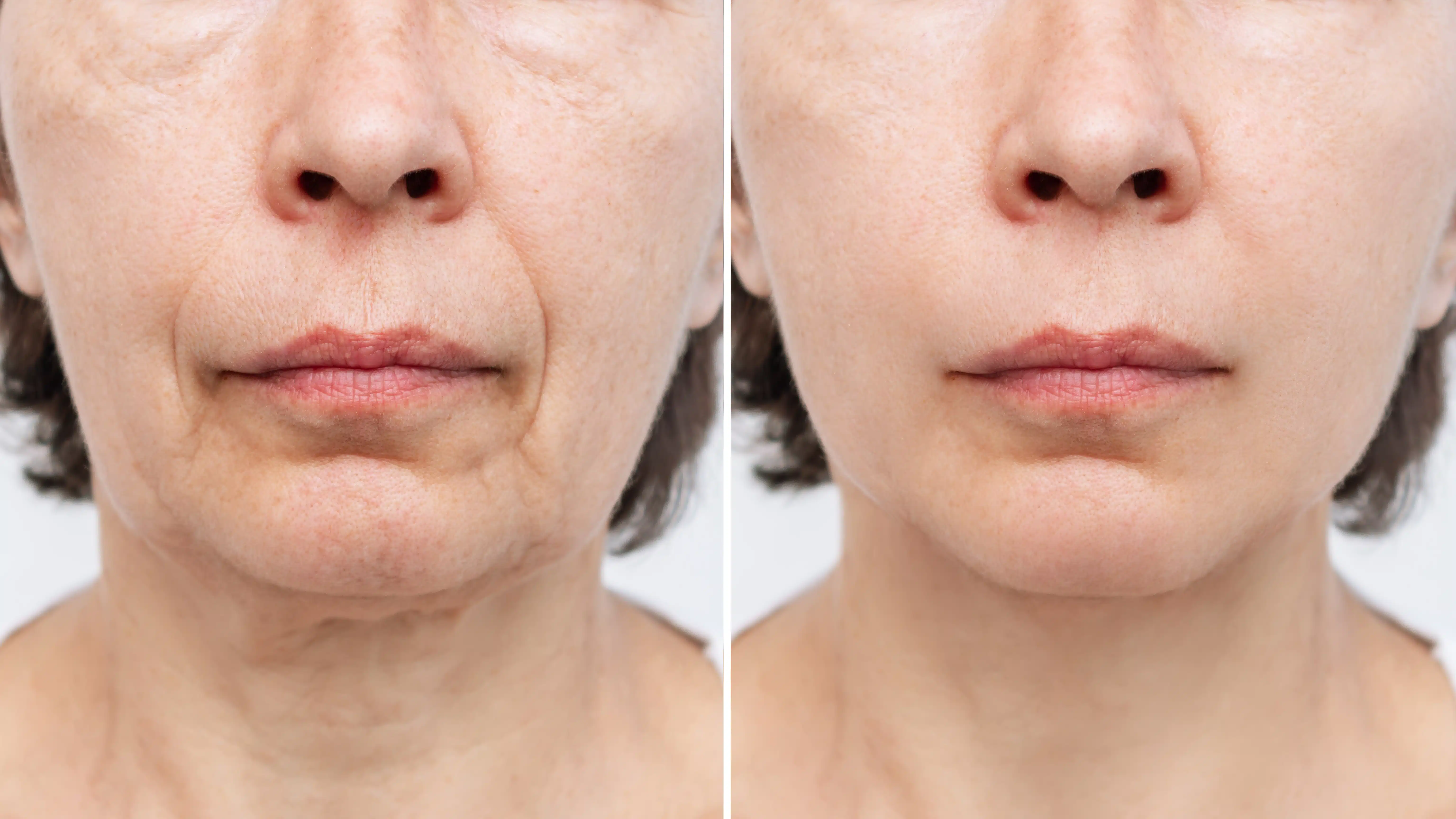
Exist Any Side Results Related To Ultherapy?
Ultherapy can cause side effects such as short-term inflammation, swelling, or inflammation in the cured location - RJ Clinic Ultherapy. While many people experience minimal discomfort, it is critical to consult an expert for individualized suggestions and prospective responses
How Soon Can I See Results After Therapy?
Arise from Ultherapy usually start to appear within a couple of months post-treatment. The full effects may remain to establish over six months as collagen manufacturing boosts, Look At This causing obvious lifting and tightening of the skin.
Is Ultherapy Suitable for All Skin Types?
Ultherapy is usually ideal for different skin types, including lighter and darker tones. Specific skin conditions and worries may affect its effectiveness, making assessments with a certified expert important for customized suggestions.
How Frequently Should Ultherapy Treatments Be Duplicated?
Ultherapy therapies are usually recommended every 6 to year, depending upon individual skin condition and wanted results. Routine analyses by a certified expert can aid determine the very best frequency for maintenance and effectiveness.